

TL;DR: Smart meters replace slow, manual readings with frequent data you can trust, so leaks, waste, and unusual spikes stop hiding in monthly totals. When the numbers are timestamped and easy to access, billing becomes fairer, maintenance becomes proactive, and reporting stops being a last-minute scramble.
Key Takeaways:
- Smart meters turn consumption into time-based evidence, which makes problems easier to spot and fix.
- The best rollouts start where costs are highest or disputes are common, not with a blanket install.
- Meter accuracy and sensible alerts matter as much as the hardware, because bad data creates bad decisions.
- Good security is mostly basic discipline: tight access, sensible networks, and strong password hygiene.
Smart meters get blamed for watching everything. In reality, they measure only what matters and report it cleanly so you can run a tighter plant.
If you operate an industrial site, utility, or commercial facility in Malaysia, clean data is money. The question is not if smart meters work, but if they work for your lines, people, and budget.
Smart Meters In Plain English
Smart meters are standard meters with a small brain and a clear voice. They measure flow or energy, timestamp each reading, store it, and send it where your team can use it.
Compared to manual reads, which are snapshots, smart meters give you a continuous movie and plug into remote reading or cloud platforms. That visibility turns a simple counter into a scalable monitoring system that supports better billing, maintenance, and process decisions.

What Actually Happens From Sensor To Screen
- Sensing: Smart meters start by measuring flow or energy using mechanical, electromagnetic, ultrasonic, or thermal methods. The choice depends on your fluid, pipe size, and accuracy target.
- Signal to data: Electronics turn the physical signal into digital records. Each record is timestamped and stored so you can trace what happened and when.
- Getting the data out: Readings move by cable or radio to where they are needed. They can feed a data logger, BMS, PLC, or a secure cloud.
- Making sense of it: Central systems combine many meters and sensors. You get clear trends, alarms, and reports you can act on.
- Tools for the team: Modern platforms add alerts, thresholds, and role based dashboards. Engineers, finance, and management see the same truth in views built for their jobs.
If you want a clearer breakdown of the common meter types used on liquid lines, the flow metering guide is a solid next read.
Decoding Smart Meters For Your Site
If you searched for “decoding-smart-meters,” you probably ran into dense specs. Here is the real question: what can a smart meter do that a manual sheet cannot?
It delivers frequent, accurate readings tied to time, so spikes and drifts stop hiding inside a monthly total. It also enables remote reading for hard-to-reach locations and connects to larger systems, so your data can drive billing, maintenance, optimisation, and ESG reporting.
Four Reasons To Adopt Smart Metering Now
Reason 1: Replace Guesswork With Evidence
Most facilities still make big calls on thin data, and a single monthly reading rarely explains why one shift used more than another. Smart meters raise the resolution across shifts, seasons, and runs so you can tie peaks and dips to specific assets or tenants.
When everyone sees the same facts, debates shrink. Decisions move faster and stick longer.
Reason 2: Waste Shows Up Fast
Smart meter data makes odd patterns jump out fast, so waste that usually stays quiet until the bill lands becomes visible and you can catch leaks, stuck valves, and other issues in days instead of months. As non-revenue water, chilled-water imbalances, and unbilled loads surface, fixing the root causes compounds savings and reveals payback you didn’t realise was there.
Reason 3: Billing Gets Fair And Defensible
Shared utilities often spark disputes because estimates and manual entries are easy to challenge. With smart meters, transparent timestamped histories make billing clear, so arguments fade, collections speed up, and tenants or internal units pay for what they actually used.
Reason 4: Compliance And ESG Become Routine
Regulators and investors want numbers you can prove. Vague totals won’t survive an audit. Smart metering gives you a clean digital trail. Slice by time, site, line, or tenant and export what auditors need. When audits arrive, the data is already organised. Reporting becomes a task, not a scramble.
How To Roll Out Smart Meters Without Wasting Money
Smart metering pays off fastest when you start with the right questions. If you install meters everywhere without a plan, you end up with dashboards nobody checks.
Start With The Spots That Hurt The Most
Start where the money is leaking or the picture is fuzzy, like incoming mains, key process lines, shared tenant services, and chilled water loops. Here’s a simple rule: meter the things people argue about, because that’s usually where the waste or revenue loss is hiding.
Choose The Right Meter Technology For The Job
Not all meters behave the same in real pipes, so the right pick depends on your site, not the brochure.
Key things to check:
- Fluid and cleanliness: clean water vs dirty or bubbly flow
- Pipe condition and access: straight runs, cramped spaces, retrofits
- Accuracy target: billing-grade vs operational tracking
- Maintenance appetite: how often you can service or verify
If you’re choosing based on what you’re measuring, your pipe size, and what you can realistically spend, use this flow meter selection shortlist as a practical reference.
Plan The Data Path Before You Buy Hardware
A smart meter only earns its keep when the data lands in the systems your team actually uses, whether that’s a BMS, PLC, SCADA, a cloud portal, or a mix. Decide up front who needs to see what, so engineers get trends and alarms while finance gets clean totals they can export and bill from.
Make Alerts Practical, Not Noisy
Alerts should flag real problems, not spam your team all day. Start with a few high-value checks like abnormal night flow, sudden spikes, or a slow upward drift, then tighten the thresholds after a couple of weeks once you know what “normal” looks like.
Treat Meter Accuracy Like A Maintenance Item
Meters don’t stay accurate forever, so basic checks and periodic verification protect the value of your readings. If a meter drifts, you risk incorrect bills and bad decisions, plus hours wasted chasing a problem that isn’t real.
Keep Security Simple And Sensible
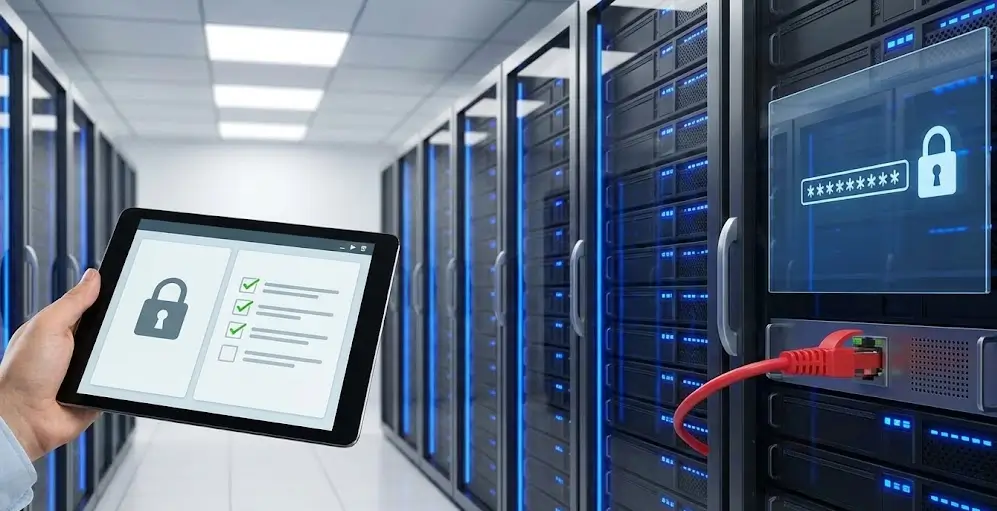
Smart metering doesn’t have to be risky if you lock down access, keep networks separated where you can, and use encryption when it’s available. Most security messes come from weak passwords and unmanaged permissions, so solid IT basics usually cover the majority of the risk.
Why Choose Minerva Malaysia
Minerva builds practical measurement solutions for real sites across Malaysia. We serve power and utilities, oil and gas, manufacturing, commercial, and residential portfolios, and we treat metering as part of a bigger safety and process picture.
Our engineers help you choose the right technology for each line and design automated meter reading that fits your layout, with wired or wireless links and clean interfaces to BMS, PLC, or cloud platforms. Where power is limited, we add solar and low power telemetry and provide calibration, maintenance, and ongoing support so remote sites stay connected, meters stay accurate, and decisions stay sound.
Ready To See What Your Plant Is Really Doing
If you came searching for decoding-smart-meters, the short version is this. Smart meters turn rough estimates into reliable evidence you can act on.
Minerva Malaysia can help you decide where to start, what to meter, and how to connect it.


