
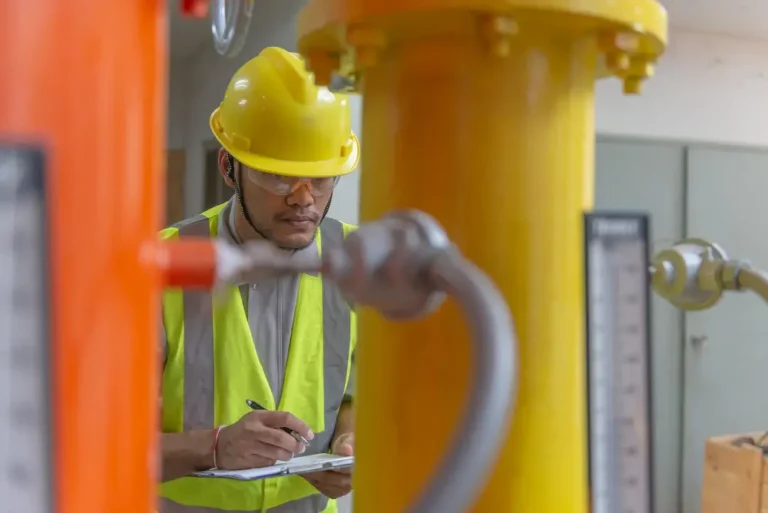
TL; DR: Predictive maintenance uses real-time data from gas detectors to catch issues before they cause trouble. It gives your team the heads-up they need to stay safe, stay compliant, and keep things running without unexpected setbacks.
Key Takeaways:
- Traditional maintenance waits for problems; predictive maintenance helps prevent them.
- Smart detectors and connected systems help identify risks early.
- Technicians get the right information at the right time to make better calls.
- It’s about improving safety, reducing downtime, and protecting your investment.
If you’re operating in a space where flammable or toxic gases are part of the everyday environment, your gas detection system needs to do more than just tick a box.
It should be central to how you protect your people and keep your operations moving. But many companies still rely on fixed schedules or react only after a fault appears. That kind of approach can leave serious gaps when timing is critical.
A smarter solution is available. Predictive maintenance helps you stay in control by flagging potential issues before they escalate. It’s not just a trendy concept.
It’s a practical way to reduce downtime, improve safety, and manage your systems with more confidence and less guesswork.
From Reactive to Predictive: What’s Changed?
The Old Way: Scheduled Maintenance and Its Pitfalls
For years, maintenance routines followed a set schedule, with technicians servicing equipment based on time intervals or manufacturer guidelines.
While this strategy is better than doing nothing, it assumes all equipment wears out the same way over time. That’s rarely the case in real-world conditions.
This approach often results in two common issues:
- Unnecessary servicing: You end up spending time and resources on detectors that are working just fine.
- Missed failures: Problems that develop between inspections can go unnoticed, which increases safety risks.
The Smarter Way: Predictive Maintenance
Predictive maintenance flips the script. Instead of waiting for something to go wrong or servicing on a fixed timeline, it uses real-time data from each gas detector to decide when maintenance is actually needed. This method looks at:
- Built-in sensor diagnostics
- Actual usage history
- Live system analytics
When this data flows through a connected system, you’ll get alerts the moment a gas detector shows unusual activity.
This gives your team enough time to step in and fix things before it becomes a serious safety issue or causes unnecessary delays.

Why Predictive Maintenance Matters for Gas Detection
- Reduces Downtime and Prevents Accidents: When a gas detector isn’t working properly, it puts your entire site at risk. Predictive maintenance helps catch issues early, so your team can fix them before they lead to bigger problems. This keeps operations running smoothly and helps protect your staff.
- Extends Equipment Lifespan: Only servicing detectors when needed avoids unnecessary handling, which can lead to wear and sensor fatigue. Predictive maintenance helps you get more years out of your equipment while preserving accuracy and performance.
- Simplifies Compliance: Staying compliant with safety standards means keeping clean, accurate records. Predictive systems track detector health and maintenance history automatically, making audits and inspections less of a headache.
If you’re also looking for practical guidance on maintaining and calibrating your gas detection equipment, especially within the Malaysian industrial context, don’t miss this article: Maintaining and Calibrating Your Gas Detection Equipment: Essential Tips for Malaysian Industries
How Predictive Maintenance Actually Works
Smart Sensors That Talk
Modern gas detectors do a lot more than just set off an alarm. Many models now include built-in diagnostics that allow them to keep track of their own performance in real time.
These smart sensors can notice even the smallest changes, such as a slower response or a slight temperature shift. Those early signals can help spot problems before they become serious
Cloud-Based Monitoring
When connected to a central system, these detectors can send performance updates in real time. The data doesn’t just sit there. It gets reviewed continuously by software that watches for unusual patterns.
If a sensor starts behaving in a way that doesn’t match its normal performance, the system flags it early so your team has time to respond before the issue grows.
Predictive Algorithms
As your detectors collect more data over time, the system starts to learn from it. For example, if a sensor normally works well for about 12 months but one starts to show signs of decline after only 9 months, the software recognises the change.
It then sends a warning so you can take action before the sensor fails. This helps reduce guesswork and keeps everything running more smoothly.
Common Myths About Predictive Maintenance
“It’s Too Expensive to Implement”
It’s true that setting up predictive maintenance may come with some upfront costs. But those initial investments are usually balanced out by the money saved from avoiding emergency repairs, replacing equipment less often, and preventing safety incidents that could lead to bigger losses.
“We Already Do Preventive Maintenance”
Preventive maintenance is better than doing nothing, but it still relies on a schedule rather than actual equipment condition. You’re making decisions based on what typically happens, not what’s happening right now. Predictive maintenance gives you that real-time insight.
“Our Team Can Handle It Manually”
Your team may be highly skilled, but even the best technicians can’t spot tiny shifts in sensor readings or temperature changes with the naked eye. That’s where predictive tools come in.
They aren’t meant to replace your crew, but to support them with accurate data and early warnings. With better information, your team can respond quicker and make more confident decisions.
To further guide your decision-making and help you avoid setup issues that could compromise safety, take a look at this article: Flammable Mistakes: How to Avoid the Wrong Gas & Flame Detection Setup

Why Choose Minerva?
We Don’t Just Sell Detectors. We Deliver Intelligence.
Minerva Intra goes beyond supplying gas detection devices. We partner with our clients to build complete safety systems that are tailored to their needs.
That includes seamless system integration, live monitoring, and reliable performance when it truly counts.
Our Gas & Flame Detection systems are designed to work with modern predictive maintenance workflows. We offer:
- Real-time monitoring tools to track detector health
- Integrated analytics for early fault detection
- Consultation and support for system upgrades and maintenance planning
With years of experience serving high-risk industries across Malaysia and beyond, Minerva brings both product quality and expert support to the table.
From detection to data, we make sure every system you invest in earns its keep.
Is Your Gas Detection Strategy Falling Behind?
Reach out to us to see how predictive maintenance can work with the gas detection systems you already have.
With the right tools and support, your team can make better decisions and stay ahead of problems before they grow.


