TL;DR: Environmental monitoring helps Malaysian businesses stay compliant while keeping their sites safer and easier to manage. With the right setup, teams can detect issues earlier, keep better records and avoid last-minute fixes during inspections.
Key Takeaways
- Malaysia’s rules cover air emissions, effluent, scheduled waste, EIA, sewage, noise and site conditions.
- Monitoring works best when equipment is placed well, maintained and linked to clear response steps.
- Real-time data, good records and trained teams make daily compliance easier.
- Minerva Malaysia helps match monitoring solutions to site risks and reporting needs.
Environmental monitoring in Malaysia is becoming part of everyday site management, not just something to prepare before an audit. For factories, utilities, laboratories, commercial buildings and industrial sites, regular monitoring helps protect people, equipment, nearby communities and the environment.
It also helps businesses avoid problems that can interrupt operations or lead to penalties. When the right systems are in place, teams can spot warning signs early, respond faster and keep better records for compliance.
Why Environmental Monitoring Matters for Malaysian Sites
Environmental monitoring means checking site conditions that may affect safety, compliance or the surrounding area. It helps teams see what is happening on site and act before small issues become bigger problems.
Common areas to monitor include:
- Air emissions and gas leaks
- Wastewater quality and effluent discharge
- Noise, temperature and humidity
- Flow rates and other process readings
- Remote assets that are difficult to check manually
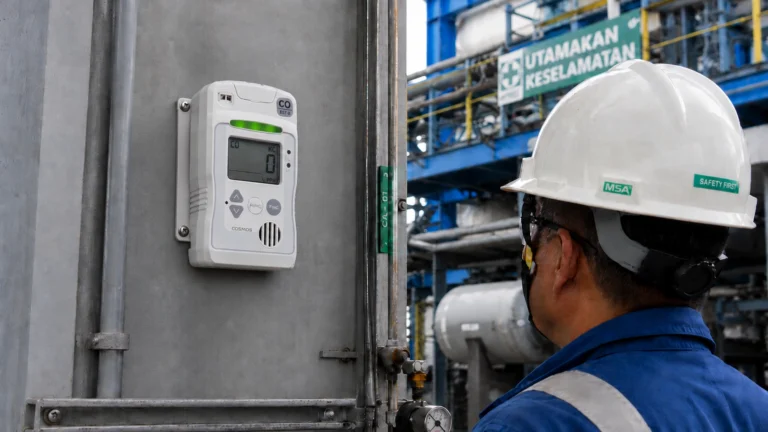
Depending on the facility, this may involve portable instruments, fixed detection systems, CEMS, alarm panels, cloud dashboards, data loggers or environment monitors designed for gases, odour and other site conditions.
Malaysia’s Environmental Rules and What They Mean for Businesses
In Malaysia, environmental rules are mainly overseen by the Department of Environment, also known as DOE or Jabatan Alam Sekitar. The Environmental Quality Act 1974 is the main law, with supporting regulations, licence conditions and approval requirements that guide how businesses manage pollution and environmental risks.
For businesses, this means environmental care cannot be left until inspection time. Teams need to monitor the right readings, maintain control systems, keep records in order and act quickly when something is not right.
Key Regulations That Affect Environmental Monitoring in Malaysia
Environmental Quality Act 1974: The Main Law Behind Pollution Control
The Environmental Quality Act 1974 is the main law behind environmental control in Malaysia. It gives the authorities the power to regulate activities that may affect air, water, land and the environment.
For site owners and operators, the Act makes monitoring, recordkeeping and corrective action part of responsible site management. With the Environmental Quality (Amendment) Act 2024 placing more weight on enforcement, businesses need reliable data and systems that help them act before problems become costly.
Clean Air Regulations 2014: Keeping Air Emissions Within Control
The Environmental Quality (Clean Air) Regulations 2014 set the requirements for managing air emissions from relevant premises. Sites with boilers, furnaces, stacks, combustion systems or exhaust systems may need to monitor pollutants based on their operations and approval conditions.
These readings may include particulate matter, sulphur dioxide, nitrogen oxides, carbon monoxide, volatile organic compounds and other process-related pollutants. Where CEMS is required, it should help teams track performance in real time and see whether the process and pollution control equipment are working properly.
Industrial Effluent Regulations 2009: Managing Wastewater Before Discharge
The Environmental Quality (Industrial Effluent) Regulations 2009 apply to sites that discharge industrial effluent or mixed effluent into inland waters or onto land. They cover treatment, sampling, monitoring, discharge limits and the records needed to show that wastewater is being managed properly.
Depending on the activity, businesses may need to monitor readings such as pH, biochemical oxygen demand, chemical oxygen demand, suspended solids, oil and grease or heavy metals. Regular checks help teams confirm that the treatment system is working and spot process changes or equipment issues before discharge becomes a problem.
Scheduled Wastes Regulations 2005: Keeping Hazardous Waste Properly Tracked
The Environmental Quality (Scheduled Wastes) Regulations 2005 require businesses that generate scheduled waste to identify, label, store, record, handle and dispose of it properly. Even when live instruments are not needed, teams still need clear records and regular checks to show that waste is being managed safely.
Poor waste control can lead to leaks, unsafe exposure, contamination or enforcement action. For higher-risk areas, tools such as gas detection, leak detection, alarms, remote cameras and inventory tracking can help teams spot problems that manual checks might miss.
EIA Order 2015: Measuring Project Impact Before Work Begins
The Environmental Quality (Prescribed Activities) (Environmental Impact Assessment) Order 2015 requires certain projects to complete an Environmental Impact Assessment before work can begin. This may apply to major industrial projects, infrastructure works, waste facilities, mining, energy projects and other activities that could affect the environment.
Monitoring helps project owners understand site conditions before, during and after development. Baseline readings show the starting point, while ongoing checks help confirm whether mitigation measures are working and whether action is needed.
Sewage, Noise and Site Conditions: Requirements That Should Not Be Missed
Some sites may also need to consider sewage treatment, noise, occupational exposure, local authority conditions, licence requirements or industry-specific DOE guidelines. These requirements vary depending on the activity, location, process and risk level.
This is why the same monitoring setup will not work for every facility. A semiconductor plant, food factory, utility site, petrol facility, laboratory, warehouse and commercial building may all need monitoring, but each will need a different mix of instruments, alarm settings and maintenance routines.
Common Monitoring Gaps That Create Compliance Risk
Many compliance issues happen even when monitoring equipment is already installed. The problem is usually not the equipment itself, but how the system is managed day to day.
Common gaps include:
- Manual records that are easy to miss or delay
- Missed calibration or maintenance schedules
- Alarms that do not reach the right team
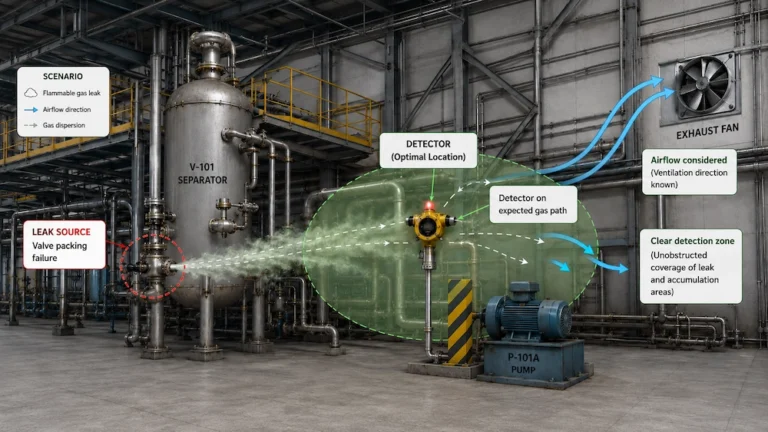
- Poor sensor or detector placement
- No trend review for CEMS, effluent or gas detection data
- Unclear roles between operations, safety, engineering and maintenance
Practical Ways to Improve Environmental Monitoring Compliance
Start With a Site Risk Review
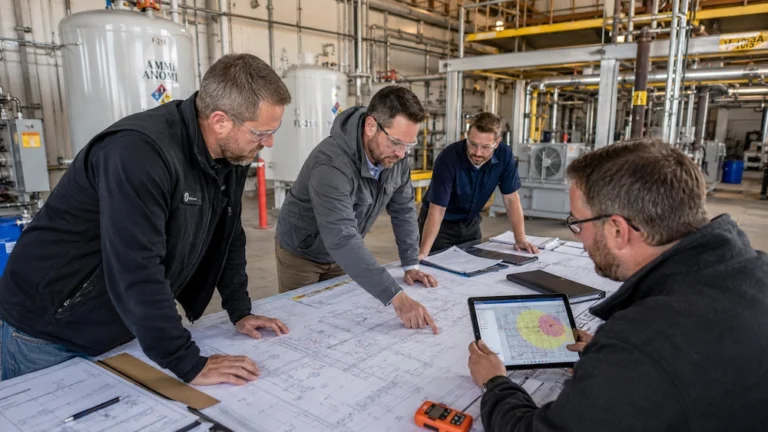
Before buying or upgrading any system, start by looking at the real risks on site, such as emission points, discharge points, confined spaces, chemical storage and waste areas. A site review helps teams decide what to measure, where to install instruments and how often to check readings, without overspending on equipment that does not match the risk.
Match the Equipment to the Site Conditions
Choose equipment that can handle the conditions on site, whether that means heat, humidity, dust, vibration, corrosive gases or remote locations. The right system should match the application, detection range, accuracy, maintenance needs and alarm setup, so teams can trust the readings and respond with confidence.
Keep Calibration and Maintenance on Schedule
Monitoring equipment is only useful when the readings are accurate. Keep calibration, bump testing, analyser servicing, filter checks, sensor replacement and maintenance on schedule.
Use Data in Real Time Where Possible
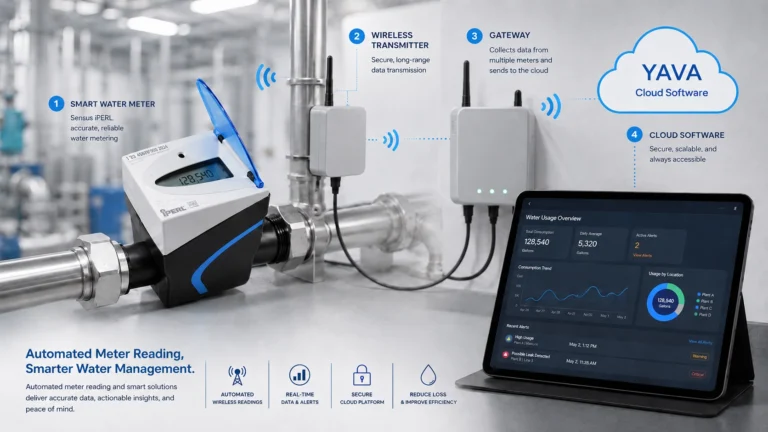
Remote monitoring, cloud dashboards and connected alarm systems can help teams respond faster. Instead of waiting for manual checks, the right people can receive alerts and review readings as conditions change.
Keep Records That Are Easy to Find and Review
Good records are part of good compliance. Businesses should keep monitoring logs, calibration certificates, maintenance records, alarm history, corrective action notes, disposal records and submission documents in an organised way.
Train the People Who Use the System
Even the best monitoring system still depends on people. Training helps reduce delayed response and confusion during an alarm. It also helps teams treat monitoring as part of daily work, not just something handled by one department.
Why Choose Minerva Malaysia for Environmental Monitoring?
Minerva Malaysia helps businesses set up monitoring systems that are practical, reliable and suited to real site conditions. Instead of only supplying equipment, the team takes time to understand the application, recommend the right setup and support the system after installation.
Its solutions cover gas and flame detection, environmental monitoring, CEMS support, flow metering, remote asset monitoring, control panels, alarms, cloud dashboards, calibration and reporting support. For industries such as oil and gas, utilities, semiconductor, manufacturing, marine, construction and laboratories, this helps make compliance easier to manage and daily operations safer.
Talk to Minerva Malaysia About Your Monitoring Needs
Whether your facility needs gas detection, air monitoring, effluent monitoring support, CEMS, flow metering, remote asset monitoring or a custom control and monitoring system, Minerva Malaysia can help you choose a setup that fits your site. A practical review can help identify gaps, outdated equipment and areas where response or reporting can be improved.
Contact Minerva Malaysia today to discuss your environmental monitoring requirements.