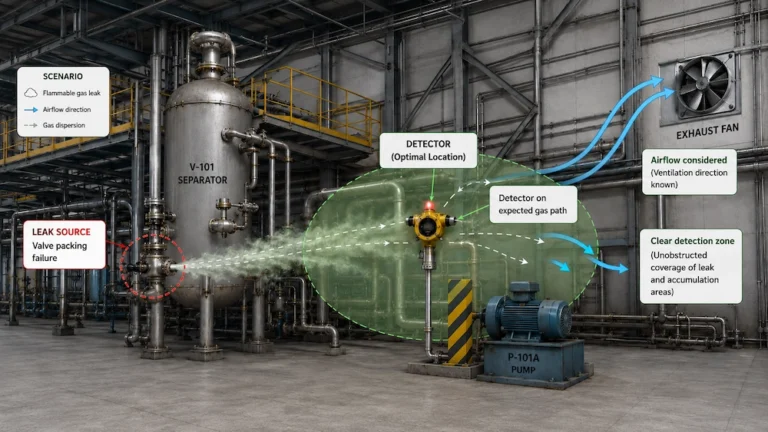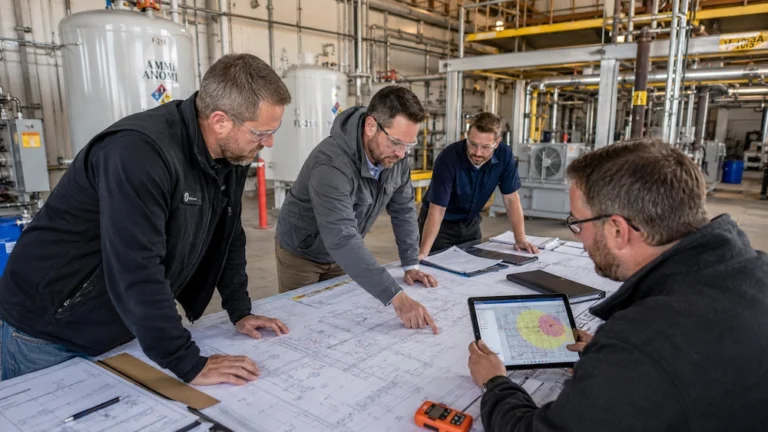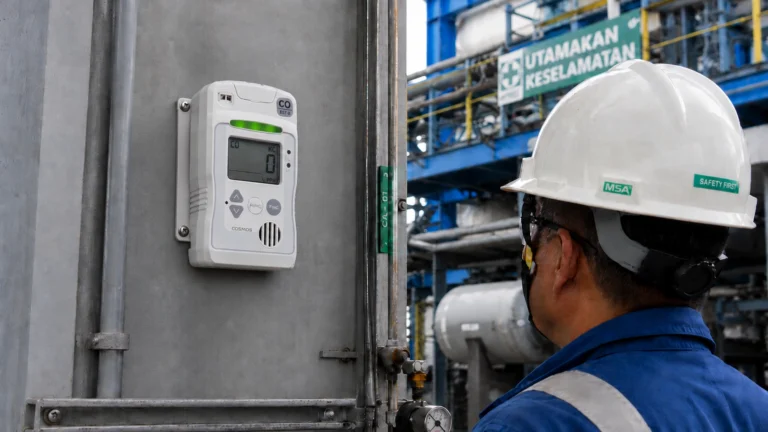
TL;DR: Gas detector calibration helps confirm that your equipment is giving readings your team can trust. With the right gas, clean setup, steady records, and timely checks, sites can reduce false confidence and respond to gas hazards with better control.
Key Takeaways
- Calibration proves accuracy, while bump testing only confirms response.
- The wrong gas, flow rate, or zeroing environment can distort results.
- Detectors should be checked before use, on schedule, and after rough conditions.
- Failed tests should lead to service, not shortcuts.
A gas detector can switch on, beep, and still give a reading your team should not trust. That is why gas detector calibration matters, especially in sites where one wrong reading can put people, assets, and operations at risk.
This guide breaks down what calibration really checks and how to do it with better discipline. You will also see the common mistakes that make detectors look ready when they are not.
Bad Detectors Can Look Normal
Gas detectors work in harsh places, so heat, humidity, dust, chemicals, vibration, water spray, and long storage can slowly affect how well their sensors respond. Over time, those sensors can drift, slow down, or lose sensitivity after heavy gas exposure or contamination.
The problem is that sensor changes are not always easy to spot, so a detector can still turn on and show numbers that do not match the real gas level. Gas detector calibration checks it against a known gas concentration to confirm whether it is still reading accurately and safe to use.
Testing and Calibration Are Not the Same
Many teams use “test” and “calibrate” as if they mean the same thing. That small mix-up can lead to unsafe decisions.
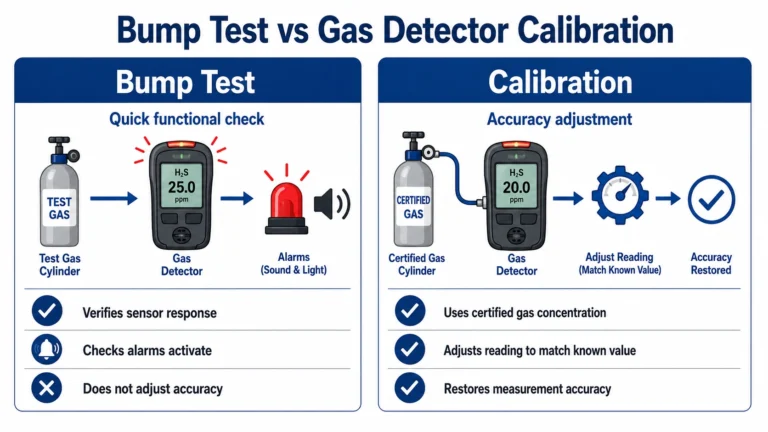
A bump test checks whether the detector reacts, while calibration checks whether the reading is accurate. Knowing the difference helps your team choose the right action before work begins.
A Bump Test Checks Response
A bump test uses test gas to confirm that the detector responds and the alarms activate, which makes it useful before work begins. It shows the detector can react when gas is present, but it does not adjust the instrument or replace proper gas detector calibration.
A Calibration Check Confirms Accuracy
A calibration check compares the detector reading with a known test gas concentration to see if it stays within the allowed range. If the reading falls outside that range, the detector should be removed from use until it is recalibrated, serviced, or fitted with the right replacement sensor.
Full Calibration Corrects Readings
A full calibration adjusts the detector so its reading matches a certified test gas, not just reacts to it. It usually includes zero calibration to set the clean air baseline and span calibration to fine-tune the sensor with a known gas concentration.
Setup Mistakes Can Skew Results
Good gas detector calibration starts before the test gas reaches the sensor. The cylinder, tubing, regulator, adapter, and surrounding air can all affect the result.
If one part of the setup is wrong, the detector may still show a reading that looks valid. The problem is that the reading may not reflect the real condition your team is working in.
Use the Right Gas
Calibration gas must match the detector, sensor type, target gas, and required concentration. Before use, check the gas type, expiry date, pressure, certificate, and gas mix for multi-gas detectors.
Control Gas Flow
The regulator, tubing, and calibration cap control how test gas reaches the detector. Wrong flow, dirty filters, wet lines, cracked connectors, or poor seals can make the sensor respond badly.
Zero in Clean Air
Zero calibration should be done in clean air or proper zero air, because the detector needs a reliable baseline before it can measure gas accurately. If the worksite may contain gas, vapour, exhaust, or oxygen changes, use zero air instead of assuming the area is clean.
When to Calibrate Gas Detectors
There is no single calibration schedule for every detector, site, or gas hazard, so the right frequency should follow manufacturer guidance, site risk, legal needs, usage, and working conditions.
1. Before Use: Bump Test
Portable gas detectors should be bump tested before use, especially before confined space entry, hazardous area work, tank inspection, tunnel work, or utility room checks. A passed bump test shows that gas can reach the sensor and the alarm works, while a failed test means the detector should be removed from service until checked.
2. Calibrate on Schedule
Most sites set a regular gas detector calibration interval based on detector type, application, and manufacturer recommendation. Higher-risk work needs tighter control, especially when the detector protects people from toxic gas, oxygen deficiency, explosive atmospheres, or process leaks.
3. Recheck After Trouble
Do not wait for the next schedule if the detector has faced high gas exposure, sensor replacement, impact, water ingress, unusual readings, alarm failure, or a failed bump test. Also check it after long storage, battery issues, suspected contamination, or harsh humidity and temperature.
Calibration Habits That Work
Good calibration should be repeatable, not dependent on who happens to be on duty. Start with the manufacturer’s manual because it sets the correct gas, flow rate, procedure, warm-up time, acceptable range, and fault response.
- Let It Stabilise
Rushing calibration can lead to bad results, so give the sensor enough time to respond, stabilise, and recover before accepting the reading.
- Keep Lines Clean
Blocked inlets, dirty filters, wet membranes, dust, oil mist, and damaged accessories can stop gas from reaching the sensor properly.
- Record the Result
A good record should include the detector ID, sensor type, date, test gas, concentration, cylinder expiry, result, technician, and next due date.
Calibration Mistakes to Avoid
Some calibration mistakes are easy to miss. Expired gas, the wrong concentration, skipped zero calibration, or contaminated air can all make a detector look ready when it is not.
Another mistake is treating every detector the same. If a detector fails a bump test or calibration, putting it back into service without a proper fix creates a safety gap.
When Guesswork Gets Risky
Some detector problems should not be solved by guessing. Call a qualified technician when a unit keeps failing calibration, responds slowly, gives unstable readings, or alarms without a clear cause.
Get expert help when changing sensors, commissioning systems, checking alarm integration, or calibrating hard-to-reach fixed detectors. Professional calibration gives your team clear records, steady schedules, and better repair or replacement decisions.
Why Choose Minerva Intra Malaysia
Minerva Intra Malaysia supports industrial and commercial sites with gas and flame detection, environmental monitoring, flow measurement, remote monitoring, and engineering services. The team works with sectors such as oil and gas, petrochemical, utilities, marine, semiconductor, manufacturing, facilities, research, automotive, and commercial operations.
For gas detector calibration, the goal is simple: keep detection equipment accurate, reliable, and ready. Minerva Intra Malaysia supports this through servicing, maintenance planning, system checks, documentation, and site-based advice.
Book a Calibration Check Today
If your detectors are due for service, failing bump tests, showing unstable readings, or missing clear records, contact Minerva Intra Malaysia to book gas detector calibration, request maintenance support, or review your detection system before a small issue becomes a safety risk.