
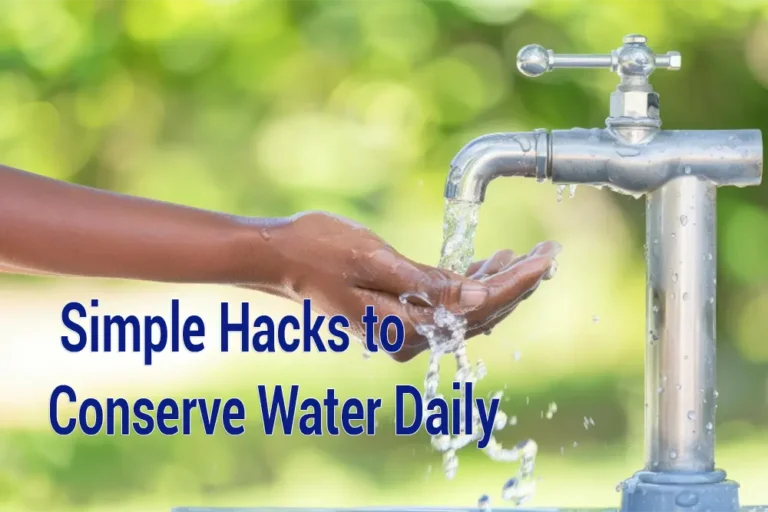
Saving water does not always require big changes, because small fixes and smarter daily habits can already make a noticeable difference over time. For businesses, better visibility into water use can also help reduce waste, control costs, and support more efficient operations.
Key Takeaways
- Small issues like leaks, old fixtures, and poor watering habits can quietly waste more water than expected.
- Better tracking makes it easier to spot unusual usage early and respond before costs rise further.
- Water-saving habits work best when they become part of normal routines instead of one-time efforts.
- A practical mix of maintenance, better equipment, and monitoring can lead to stronger long-term results.
Water waste is easy to miss because it often comes from small things people stop noticing. A dripping tap, an old fixture, or a habit that feels harmless can slowly push water use and costs higher over time.
That is why practical ways to save water still matter, especially for homes, buildings, and businesses trying to use resources more wisely. With a few practical changes, it becomes much easier to cut waste, lower costs, and build better habits that last.
Why Saving Water Every Day Makes a Difference
When people think about saving water, they often picture simple habits like turning off the tap or taking shorter showers. But water use affects more than daily routines, because it also shapes utility costs, maintenance needs, and how smoothly a home, building, or site runs over time.
For businesses, especially water waste can go unnoticed for longer than expected. A small leak, poor watering schedule, or old fixture may not seem like much at first, but when it keeps happening every day, the cost adds up quickly and becomes much harder to ignore.
1. Catch Leaks Early
Leaks are one of the most common causes of water waste, and they are often ignored because they seem minor at first. A dripping tap, a worn valve, or a hidden pipe issue can keep wasting water day and night until someone takes a closer look.
Regular checks can help prevent that, especially in sites with many washrooms, pipes, or water-connected systems. Damp spots, puddles, mould, odd sounds, and sudden spikes in usage are all signs that something may be wrong.
2. Monitor Water Better
Many people only notice a water problem when the monthly bill arrives. By then, the waste has already happened, which makes it much harder to control costs or act early.
Smarter monitoring gives teams a clearer view of how water is being used across a site. When usage becomes easier to track, it also becomes easier to spot unusual patterns and respond before a small issue turns into a bigger one.
3. Upgrade Old Fixtures
Replace Inefficient Equipment
Old fixtures and appliances can waste more water than most people realise. Switching to water-saving options like low-flow taps, dual-flush toilets, and efficient appliances is a simple way to cut daily use, lower waste, and save water without making everyday tasks less convenient.
4. Improve Daily Habits
Good habits still go a long way when it comes to cutting waste. Simple actions like turning taps off right away, using only what is needed for cleaning, and reporting leaks early can help cut waste, lower costs, and make water saving feel like a natural part of everyday routines.
Build Better Awareness
People are more likely to support these efforts when the reason is clear. It is not just about lowering bills, but also about reducing waste and creating a more responsible way of working.
5. Reuse Water When You Can
Find Practical Uses
Not every task needs fresh drinking-quality water, which means some sites have room to reuse water safely for other purposes. Depending on the setup, reused water may work for irrigation, certain cleaning tasks, or other non-potable uses that meet site requirements.
Water reuse does not always need to start with a big system. Even small and sensible steps can help lower overall demand when they are planned properly.
Keep It Safe and Useful
The key is to make sure reuse is practical, safe, and suited to the site. A well-planned approach can support conservation goals without making operations more complicated.
6. Use Less Water Outdoors
Avoid Watering Too Much
Outdoor spaces often use more water than people realise, especially when watering becomes a habit instead of a real need. Watering earlier, checking hoses for leaks, and choosing low-water plants are simple ways to cut waste. Small changes like these can make outdoor water use much more efficient over time.
Match Watering to Conditions
Instead of watering a fixed habit, it helps to base outdoor water use on what the site really needs. Where irrigation is used often, better controls and monitoring can make watering more accurate and far less wasteful.
7. Keep Reviewing Usage
Treat It as an Ongoing Effort
This works best when it becomes part of daily site management, not a one-time fix. When businesses track usage regularly and pay attention to patterns, it becomes easier to spot waste early, fix issues faster, measure what is working, and keep improving water use over time.
Measure What Matters
For homes, this may mean checking bills more closely and paying attention to usage changes. For businesses, tools such as flow metering solutions and remote monitoring can make usage easier to measure and manage.
Why Choose Minerva
Minerva supports businesses that want to manage water use in a more practical and reliable way. With experience in monitoring, measurement, and day-to-day water control, the company helps customers find solutions that fit the way their sites actually run.
What makes the approach useful is the focus on real operational needs, not one-size-fits-all recommendations. By combining practical upgrades with better visibility, Minerva helps businesses reduce waste, improve efficiency, and make better long-term decisions about water use.
Take the Next Step
If your organization wants a practical way to reduce water use and manage it better, it helps to start by looking at where waste happens most and which changes will have the biggest impact. From better measurement to smarter monitoring, the right setup can make water management much easier to handle.


