Advanced gas detection helps businesses spot risks earlier, respond faster, and reduce the chance of downtime, damage, and compliance problems. For companies operating in higher-risk or more demanding environments, upgrading now is a practical move that supports both safety and business continuity.
Key Takeaways:
- Older detection setups can leave blind spots that no team can safely manage through experience alone.
- Different areas of a facility often need different types of monitoring, not a one-size-fits-all device.
- The best upgrade decisions start with site risk, process needs, and response requirements, not just product specs.
- Working with a provider like Minerva can make implementation more practical through engineering support, maintenance, and tailored system design.
Businesses rarely get a second chance when a gas leak turns into an injury, shutdown, or compliance issue, which is exactly why advanced gas detection devices have moved from nice to have into essential.
If your site handles combustible gases, toxic gases, oxygen-deficient spaces, or sensitive production environments, the real question is no longer whether you need better detection, but whether you can afford to delay it.
Gas Hazards Do Not Wait for a Convenient Time
Gas risks are easy to miss until they become serious. A small leak can quickly disrupt operations, put people in danger, and damage equipment. That is why better gas detection matters. It catches problems earlier, helps teams respond faster, and gives your business a chance to stay safe and running.
Invisible Risks Can Cause Very Visible Damage
Poor detection does not just lead to safety incidents. One leak can also cause downtime, equipment damage, product loss, compliance issues, and reputational harm, with delays and disruptions often lasting well beyond the initial event.
Human Senses Are Not a Safety System
Experienced teams matter, but no amount of experience can replace a reliable detection system when gas hazards are involved. People get tired, conditions change, and some gases give little to no warning before they become harmful, which is why advanced instrumentation is a business control measure, not just a safety accessory.
What Makes Modern Gas Detection Solutions Worth the Upgrade
Not all detection systems deliver the same level of protection, and older setups often leave gaps that modern operations can no longer ignore. These modern systems are designed to provide faster sensing, broader coverage, better data visibility, and more suitable configurations for real operating conditions.
Faster Alerts, Smarter Decisions
Modern devices can help your team identify dangerous gas conditions quickly and act before a minor issue becomes a serious emergency.
Instead of relying on a basic local alarm alone, businesses can benefit from systems that support centralized monitoring, clearer status visibility, and better alarm handling across the site.
More Than One Device Type for More Than One Risk
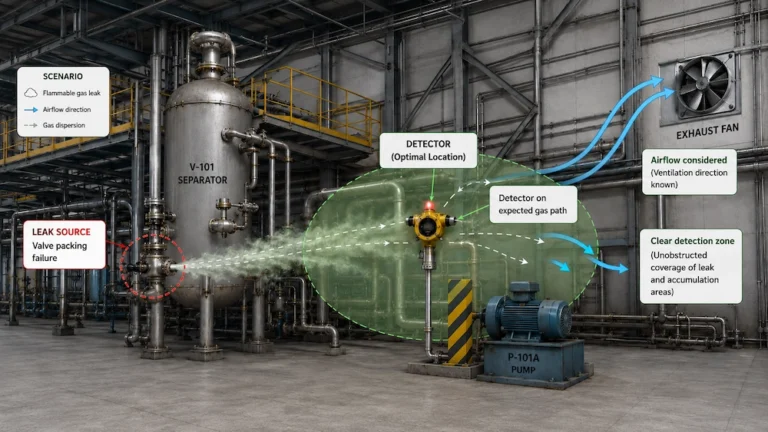
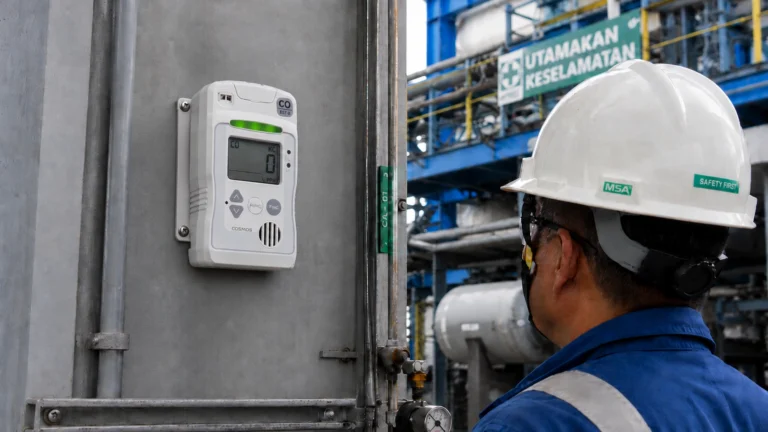
Different parts of a facility face different risks, so one device is rarely enough. A layered setup using portable, fixed, and area-based detection gives businesses broader protection by covering both moving workers and critical process areas that need constant monitoring.
Better Fit for Complex Environments
Some industries need more than a standard detector, especially when handling specialty gases, semiconductor processes, remote assets, or demanding conditions. In these cases, custom gas detection solutions often work best as part of a wider engineered solution with controls, monitoring, sampling, and system integration.
Why Businesses Need to Act Now, Not Later
Waiting until a near miss, audit finding, or breakdown forces action is a costly way to make an important decision.
The stronger move is to improve detection before a weak point becomes a business problem that affects people, productivity, and trust.
- Operations Are More Demanding Than They Used to Be Facilities now need tighter control over safety, efficiency, maintenance, and environmental performance. Detection systems must support daily operations, not just sit in the background.
- Downtime Is Expensive Even When Nobody Gets Hurt Even minor gas-related issues can delay production, disrupt deliveries, and drive up troubleshooting costs. Early detection helps protect continuity as much as safety.
- Compliance Pressure Is Not Getting Lighter Stronger monitoring and clearer documentation are becoming standard expectations. An outdated setup can raise concerns during audits, inspections, client reviews, and internal assessments.
Where Better Gas Detection Delivers the Biggest Business Value
The need for better detection is clear in high-risk industrial settings, but the value extends far beyond traditional oil and gas applications. Any site where gas exposure, process integrity, or occupancy safety matters can benefit from a better detection strategy.
Oil, Gas, Petrochemical, and Utility Operations
These environments face combustible gases, toxic exposure risks, outdoor assets, and critical process areas where fast detection matters. Better visibility across fixed points, open areas, transfer locations, and remote installations helps support safer operations.
Semiconductor and Electronics Facilities
Specialty gases and tightly controlled production conditions leave little room for error, and even small disruptions can be costly. These settings often need solutions tailored to the process, not generic devices.
Manufacturing, Automotive, and Plant Facilities
Manufacturing sites, fuel handling areas, enclosed maintenance spaces, and utility zones can carry gas-related risks that are easy to overlook. The right mix of personal, portable, and fixed monitoring offers a practical safety upgrade without adding unnecessary complexity.
Commercial, Residential, and Mixed Facilities
Gas safety also matters in commercial buildings, mixed-use developments, and managed facilities where reliable monitoring is needed in the right areas. A smart detection strategy helps reduce response delays, improve oversight, and create safer spaces for staff, contractors, and occupants.
What a Smarter Upgrade Path Looks Like
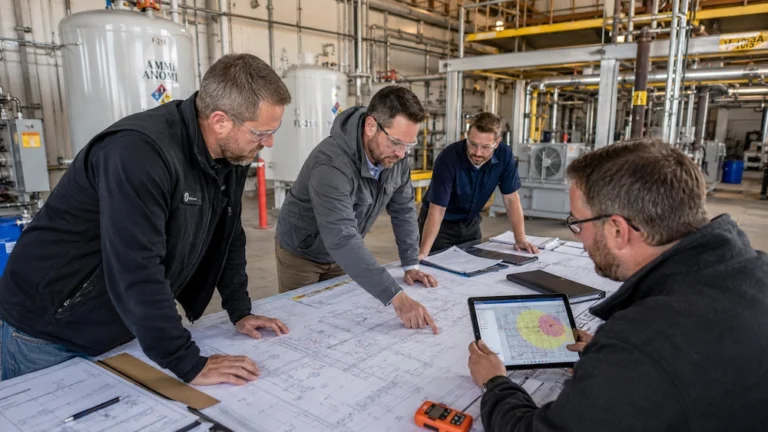
The best upgrades usually start with a clear look at your facility’s risk points, operating environment, and existing monitoring gaps. From there, the right provider can help determine whether your business needs a new system, added coverage, better portability, improved alarm visibility, or a more customized setup.
Start With Risk, Not Product Catalogs
It is easy to get lost in model numbers and specifications, but the better starting point is understanding where gas exposure can happen, who is at risk, and how quickly your team needs to respond. That approach leads to better decisions and usually prevents overspending on the wrong configuration.
Build for Daily Use, Not Just Emergency Scenarios
The strongest systems are the ones your team can maintain, understand, and trust under normal working conditions. When these systems are selected and implemented properly, they become part of smoother operations instead of another piece of equipment people ignore until something goes wrong.
Why Choose Minerva
Choosing a gas detection partner is not just about buying devices, because the right solution needs to match your site, your risks, and the way your operation actually runs. Minerva stands out by focusing on protection, efficiency, and sustainability, while offering a wide range of custom gas detection and monitoring solutions.
Beyond product supply, Minerva supports businesses with design and engineering, calibration and maintenance, custom control panels, gas sampling systems, and practical features like cloud monitoring and third-party integration. That makes it easier to build a solution that works reliably in the field and stays aligned with real operating needs.
Talk to Minerva About the Right Detection Strategy for Your Site
A gas detection upgrade tends to feel urgent only after an incident, but by then the cost of waiting is already on the table. The smarter move is to act while you still have the advantage of time, choice, and control. Do not settle for a system that only reacts after the risk is already in front of you.