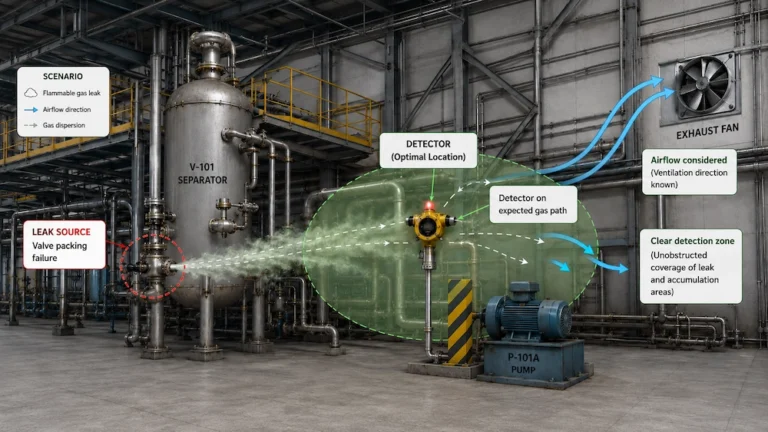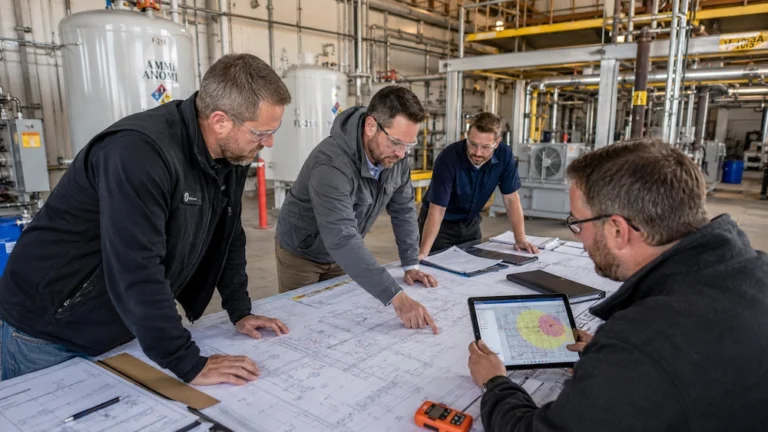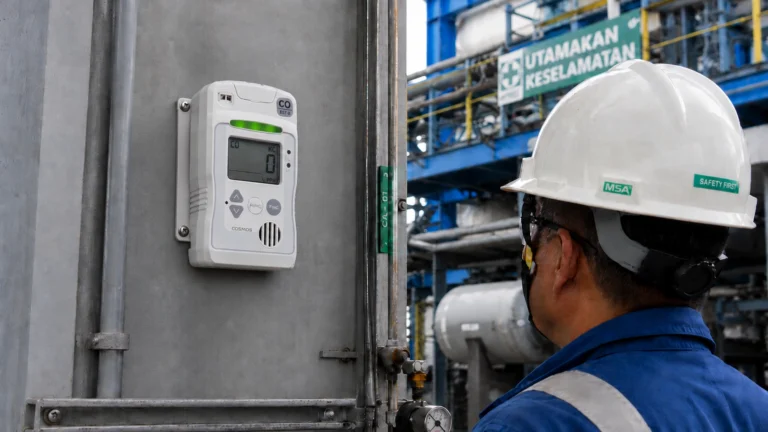
TL;DR: Calibration keeps equipment measurements accurate and reliable so you avoid costly mistakes, safety incidents, and compliance problems. It supports efficient production and protects your reputation, while helping you maintain certifications and reduce liability exposure.
Key Takeaways:
- Uncalibrated equipment causes hidden risks and higher long-term costs
- Regular calibration protects staff safety and product quality
- A clear schedule and proper records help maintain compliance
- Modern tools like remote monitoring and calibration software improve efficiency
- Reliable service providers reduce liability and support insurance requirements
When was the last time you checked whether your equipment was telling you the truth? Many businesses rely on machinery and instruments that quietly drift out of specification over time. Calibration is the process of verifying and adjusting these tools against known standards. It might sound routine, but the consequences of skipping calibration can be severe. From incorrect measurements to unexpected breakdowns, poorly calibrated equipment can undermine your entire operation.
Ignoring Calibration? Here’s What Could Go Wrong
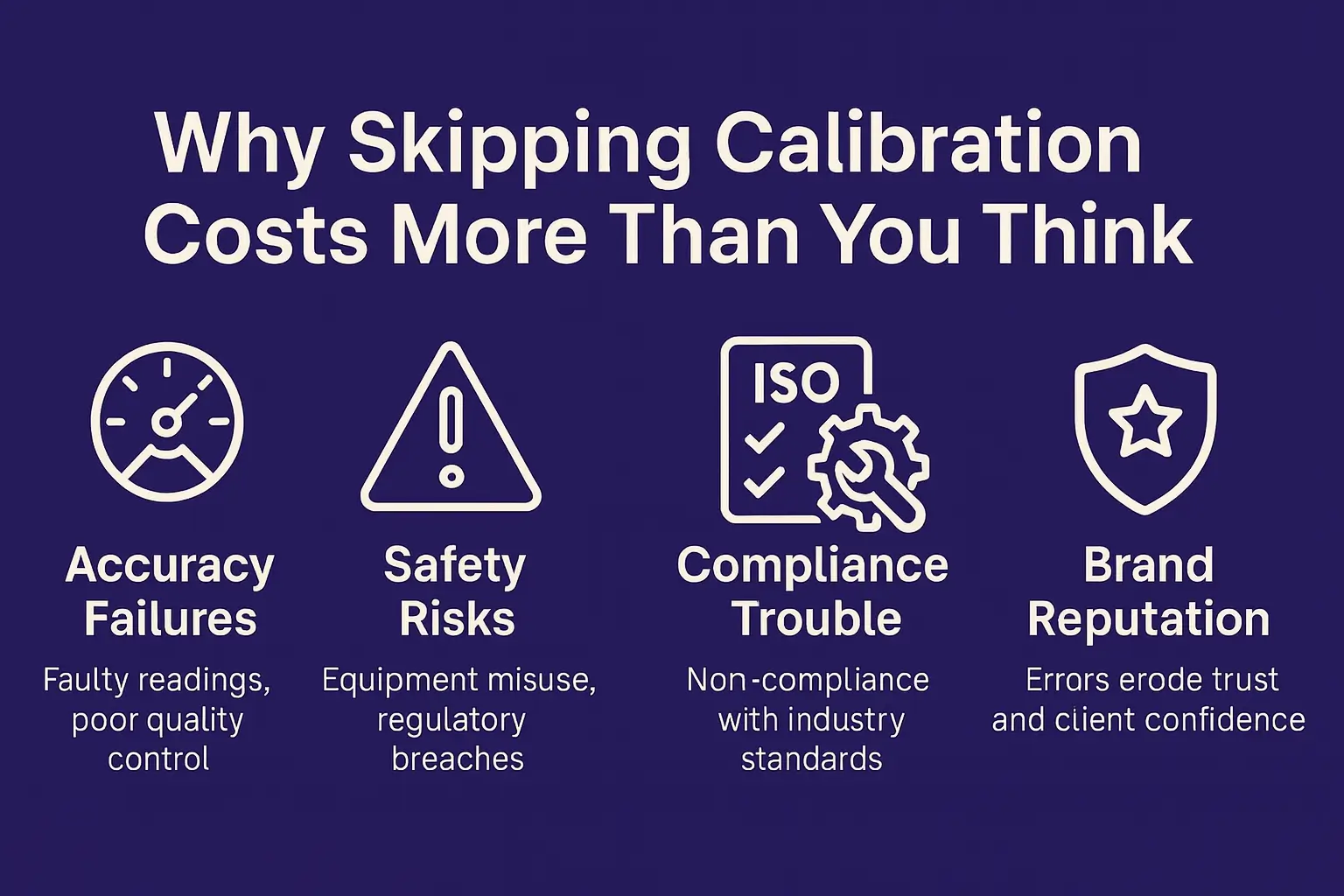
You might think an occasional error is harmless. However, even small inaccuracies can accumulate into serious operational issues that affect quality, safety, and compliance. Uncalibrated equipment increases the risk of:
- Product defects that cause failed inspections and can lead to customer complaints and rejections
- Costly rework that consumes time and materials, creating avoidable waste
- Safety incidents that put staff at risk of injury and expose the company to legal liability
These risks don’t just hurt your bottom line. They also damage your reputation and weaken the trust you have built with your clients. Over time, repeated failures can lead to lost contracts, strained partnerships and a damaged brand image that is difficult to repair.

Compliance and Professional Standards
Regular calibration is essential in many industries to meet ISO standards and legal regulations. It shows that your business keeps accurate records and follows professional processes. Regulatory non-compliance penalties can result in fines, legal action, increased scrutiny from authorities and even loss of certification needed to operate in regulated industries. This approach also strengthens credibility with customers who rely on consistent product quality and safe operations.
A Real-Life Example: BP Texas City Refinery Explosion
In 2005, the BP Texas City refinery explosion killed 15 workers and injured more than 170 people. Investigators found that faulty instrumentation and lack of calibration were contributing factors. Pressure sensors and level indicators were not properly maintained or calibrated, which led operators to misjudge conditions inside a tower. The disaster caused billions in losses, lawsuits, and regulatory penalties and remains a strong example of why consistent, reliable calibration is essential for safety and operational integrity.
The Business Case for Reliable Calibration
Let’s be clear: calibration is an investment, not an expense. It helps you control costs and maintain high standards without adding unnecessary complexity. When your equipment delivers precise, dependable data, you gain:
- Fewer process interruptions that help maintain smooth workflows without unexpected stoppages
- Faster production cycles because equipment provides accurate data and reduces delays
- Reduced scrap and rework by ensuring measurements stay within tolerance limits
- Extended equipment lifespan through regular adjustments and proper use
- Evidence for compliance audits, including detailed records that verify equipment was calibrated as required
Over time, these benefits translate into higher profitability, more predictable performance and greater confidence in your operational decisions. For more detail on why calibration matters, see this related article: Why Regular Calibration Matters.
Building a Reliable Calibration Strategy
Set a Sensible Schedule
A clear schedule helps you keep every piece of equipment in proper condition. Here are some points to consider:
- Calibration intervals should reflect how often you use each piece of equipment and how critical it is to your operation.
- You should also consider factors such as environmental conditions and manufacturer recommendations.
- Critical tools or those exposed to harsh environments usually need more frequent checks.
- Keep detailed records to track when each item was last calibrated.
Pick the Right Partner
Choosing a qualified calibration provider is as important as calibrating itself. A good provider should have:
- Accreditation to recognised standards, proving their competence and credibility
- Clear, traceable documentation that shows exactly what was done and when
- A proven track record of working with your type of equipment in similar operating environments
Train Your Team
Even the best systems can fail if your staff do not understand why calibration matters. Training is important so everyone knows their role in keeping equipment accurate and compliant. Make sure everyone handling equipment can recognise signs of drift or malfunction and report them promptly to avoid delays or unsafe conditions.
Use Digital Calibration Management Systems
Modern calibration management software can schedule, track and record calibrations automatically. These systems reduce manual paperwork, help you plan maintenance more effectively, and provide real-time visibility into equipment status. They help you maintain compliance with less effort and make it easier to generate reports during audits.
Implement Remote Monitoring Tools
- Remote monitoring solutions continuously track equipment performance and detect drift early.
- They gather data in real time, which lets you spot small changes before they grow into serious problems.
- The system keeps records for analysis and reporting.
- Integrating remote monitoring with your calibration programme helps you respond faster to issues and improve reliability.
To see how technology can improve your calibration approach, read this article: Advantages of Remote Monitoring.
How Calibration Keeps People and Products Safe
Accurate readings are essential not only for productivity but also for safety. Faulty measurements can lead to serious problems including:
- Overloaded systems that stress equipment and cause premature failures
- Dangerous chemical mixes that can create hazards for staff and contaminate products
- Equipment damage that requires costly repairs and disrupts production
Proper calibration keeps measurements within safe limits. It ensures your workplace remains compliant with regulations, protects employees from harm, and prevents avoidable downtime or product recalls.
How It Reduces Liability and Supports Insurance
Insurance providers often require clear evidence of regular calibration to validate coverage. They may request documentation showing dates, results, and corrective actions taken. Proper calibration reduces liability claims because it proves the equipment was maintained correctly and operated within recommended parameters. This can help lower insurance premiums and avoid disputes if an incident occurs.
Why Choose Minerva for Calibration Services
We offer professional calibration, maintenance, and repair services that help your business maintain safe operations, meet legal requirements, and improve productivity. With experienced technicians and accreditation to respected standards, Minerva provides:
- Reliable calibration for industrial and laboratory equipment, including detailed verification of measurement accuracy and clear reporting
- Support for ISO standards and regulatory compliance, helping you meet industry requirements and maintain certification
- Thorough documentation for audits, including clear calibration certificates, test results and records ready for inspections
- Fast turnaround times that minimise delays and keep your operation running smoothly without unnecessary disruption
Learn more about Minerva’s calibration and engineering solutions here: Minerva Engineering Services.
Take Action Before It’s Too Late
Equipment drift is often hard to detect with daily checks. Even so, it can lead to errors, unplanned downtime, and higher costs if not addressed early. Don’t wait for a breakdown or compliance issue to force your hand.
Contact Minerva today to schedule a consultation and protect your business from hidden risks.